
Bern, a key venue for discreet diplomacy between Switzerland and Algeria
The Évian Accords, signed on 18 March 1962 between France and the Provisional Government of the Algerian Republic (GPRA), put an end to the Algerian War and paved the way for the country's independence. The discreet but significant involvement of Switzerland in the genesis of the Évian Accords is less well known. In particular, the central role played by the capital, Bern, well before the negotiations began. The story in pictures.
Bern the stage for the first contact in an unusual setting
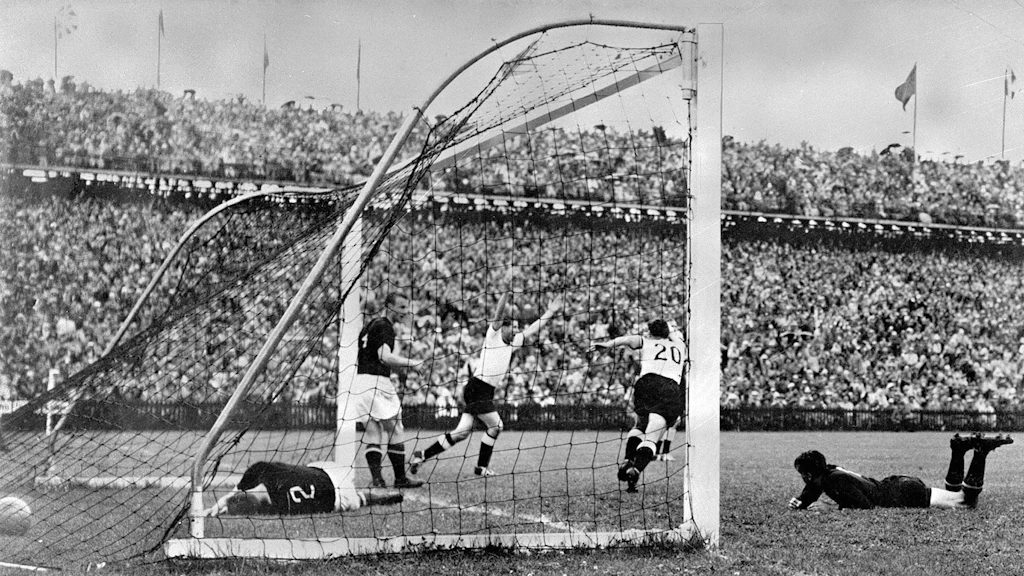
Held in Switzerland in June and July 1954, the World Cup attracted visitors from all corners of the globe. In the midst of this festival of football, a number of members of the Algerian opposition were discreetly holding meetings in Bern: they were preparing for revolution, in a bid to take back control of their country.
From autumn 1954, the Swiss authorities gathered more information on Algerian nationalist networks, confirming Bern's strategic role as a hub for their activities.
Structured mediation: the role of Switzerland
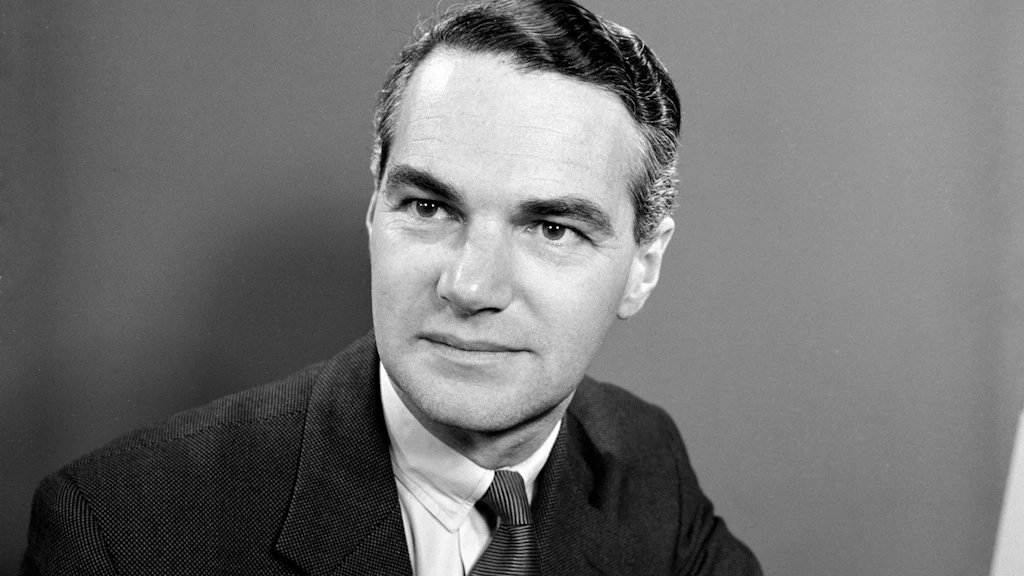
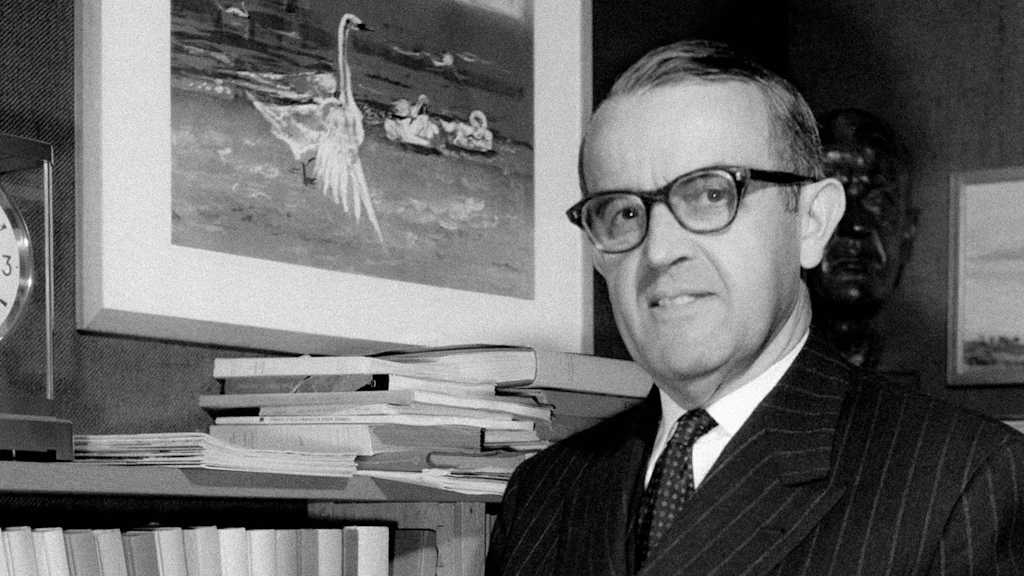
In the early 1960s, Switzerland offered its good offices to the parties to the conflict. Swiss diplomat Olivier Long obtained the approval of Federal Councillor Max Petitpierre to make contact with representatives of the Provisional Government of the Algerian Republic (GPRA). He went on to organise the first meetings in Switzerland, in Lucerne and Neuchâtel, on a strictly confidential basis.
The little-known story of Olivier Long and the Évian Accords of 18 March 1962
Switzerland, a discreet place for preparation and logistical support
Switzerland not only provided a neutral setting, but also facilitated individual contact between the parties and logistical support. In May 1961, the Algerian delegation stayed at the Bois d'Avault villa of the Emir of Qatar, near Geneva, where it prepared for the first negotiations. Given the risks of espionage and attacks, the premises were secured by the Swiss Armed Forces. In order to facilitate the negotiations taking place on the other side of Lake Geneva, in Évian, Switzerland also provided helicopters and a boat, ensuring rapid and safe travel.
After the suspension of the first phase of negotiations in June 1961, the GPRA delegation left the Bois d'Avault, but Switzerland continued to act as a conduit between the parties: thanks to its good offices, the talks continued.
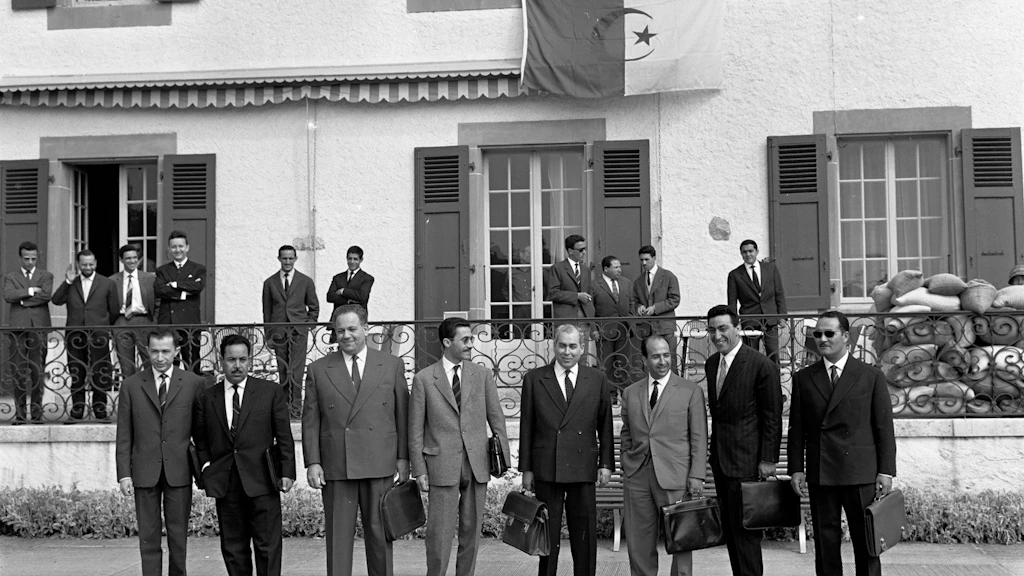
Bern and Algeria's discreet but strategic engagement continues to this day
Bilateral relations between Switzerland and Algeria, built on the historical foundation of Switzerland's role in the Évian Accords, have developed considerably since then, particularly in recent years:
- increased high-level political contact
- development of new forms of bilateral cooperation
- joint promotion of the countries' historical heritage
Bern, the seat of the Swiss government, remains a central location for Swiss diplomacy, and a symbol of trust and continuity.
A living legacy in contemporary diplomacy
During the visit of the Algerian foreign minister to Bern on 2 April 2026, Switzerland's contribution to the Évian negotiations was reiterated, highlighting the role of Bern not only as a venue for discreet talks from 1954, but also as the seat of a government committed to supporting the negotiations in 1960–1962.
To mark the 60th anniversary of the Évian Accords, the FDFA has commissioned Swiss historian Marc Perrenoud and Algerian cartoonist Bouchra Mokhtari to produce a comic strip on Switzerland's role in the Évian Accords: Souvenirs de Suisse-Algérie
FDFA Communication
3003 Bern